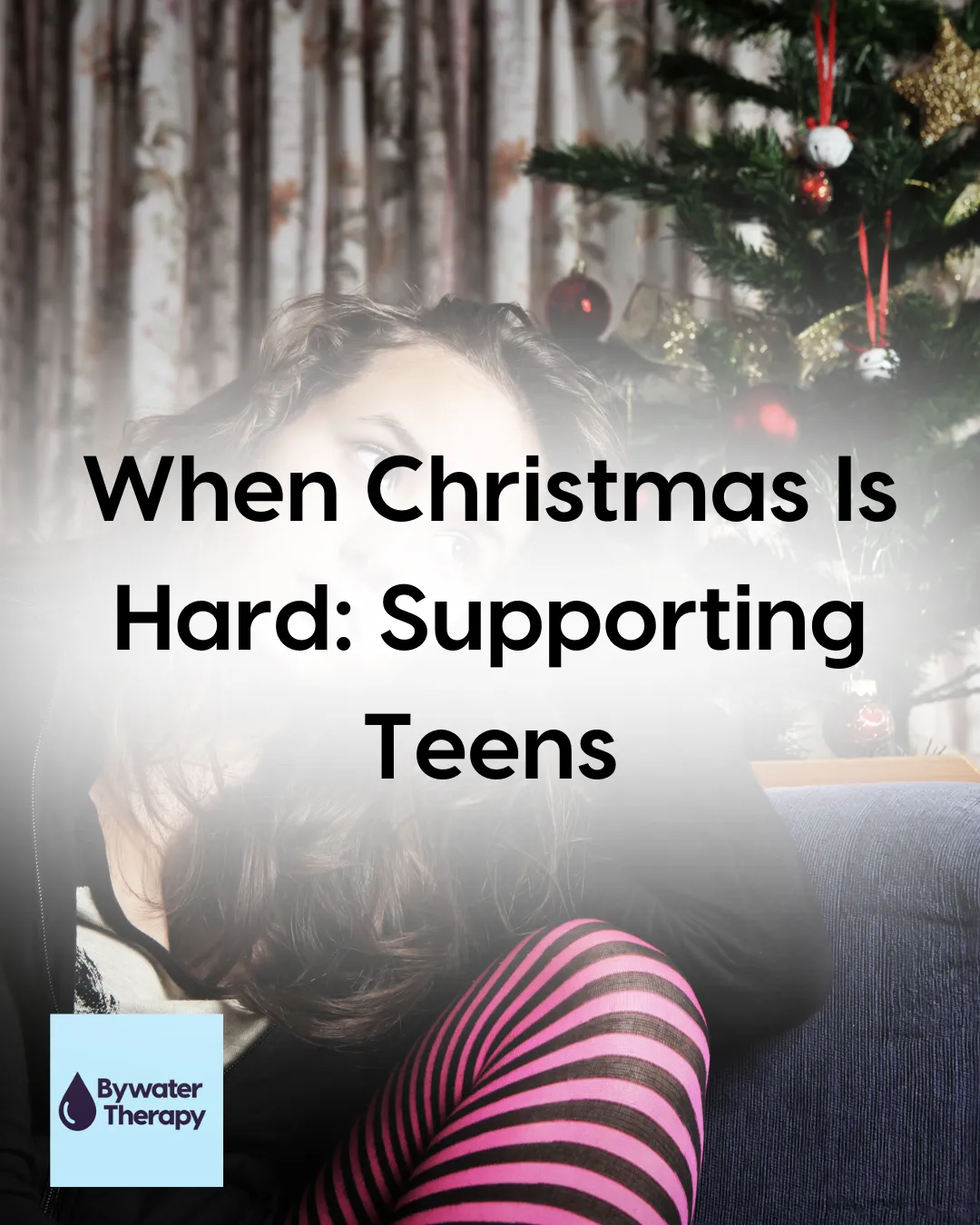
When Christmas Is Hard: Supporting Teens With Challenging Behaviour Over the Holidays
When Christmas Is Hard: Supporting Teens With Challenging Behaviour Over the Holidays
Christmas is often portrayed as a time of joy, connection, and family harmony. For many parents of teenagers, however, the reality can feel very different. Instead of calm and closeness, the holidays may bring heightened conflict, emotional outbursts, withdrawal, or behaviours that leave parents feeling worried, exhausted, and unsure how to help.
If this sounds familiar, it is important to know that you are not alone — and that difficult behaviour at Christmas is often a sign of underlying stress rather than poor parenting or a “difficult” teen.
Why Teen Behaviour Often Escalates at Christmas
The Christmas period disrupts many of the structures that help teenagers feel regulated and secure. While time off school can be a relief for some, it can also remove predictability, routine, and access to peers — all of which play a crucial role in adolescent emotional stability.
Common holiday stressors for teens include:
* Loss of routine and structure that normally provides stability
* Increased family time, which can amplify unresolved tensions
* Social and sensory overload from gatherings, travel, and expectations
* Heightened emotions around the end of the year, identity, and the future
* Pressure to appear happy or grateful, even when they are struggling
When these stressors accumulate, behaviour often becomes the outlet. What may appear as defiance, anger, or withdrawal is frequently a teen’s way of communicating overwhelm, anxiety, or emotional distress.
What Challenging Behaviour Can Look Like Over the Holidays
Parents often report that behaviour intensifies during the Christmas period. This may include:
* Increased irritability, anger, or emotional volatility
* Withdrawing from family activities or isolating in bedrooms
* Refusal to engage in celebrations or traditions
* Heightened screen use or disengagement
* Risk-taking behaviour or boundary testing
* Sudden mood changes or emotional shutdown
It is important to remember that behaviour is communication. These responses are not a reflection of a teen’s character, nor are they evidence of parental failure. They are signals that something feels difficult or unmanageable for the young person.
Practical Ways to Reduce Conflict at Christmas
While it may not be possible to eliminate all challenges, there are steps parents can take to reduce tension and support emotional regulation during the holidays.
1. Lower Expectations — for Everyone
Christmas does not need to be perfect to be meaningful. Letting go of rigid expectations about behaviour, participation, or family harmony can significantly reduce pressure on both parents and teens.
2. Maintain Some Predictability
Even small elements of routine — such as consistent sleep times, regular meals, or planned quiet periods — can help teens feel more grounded during an otherwise unstructured time.
3. Offer Choice and Autonomy
Where possible, allow teens some control over how they participate in holiday activities. Choice fosters cooperation and reduces power struggles.
4. Avoid Power Struggles in Emotional Moments
When emotions are running high, prioritise de-escalation over discipline. Conversations about behaviour are often more productive once everyone is calmer.
5. Focus on Moments of Connection, Not Forced Togetherness
Connection does not need to be constant or intense. Short, pressure-free moments — such as a shared activity, a brief check-in, or sitting together quietly — can be far more effective than insisting on prolonged family time.
What Teens Need Most at Christmas (Even If They Don’t Say It)
Although teenagers may not articulate it clearly, many are seeking:
* Emotional safety and acceptance
* To be listened to without immediate judgement or correction
* Permission to step back when overwhelmed
* Reassurance that they are not “the problem” in the family
* Predictability in an emotionally charged season
Feeling seen and understood can significantly reduce behavioural escalation, even when challenges remain.
When to Consider Professional Support
For some families, Christmas highlights difficulties that have been building for some time. Seeking professional support can be helpful if you notice:
* Persistent aggression, shutdown, or emotional volatility
* Risk-taking or concerning behavioural changes
* Significant shifts in mood, sleep, or engagement
* Ongoing family conflict that feels unmanageable
* Parents feeling burnt out, anxious, or out of their depth
Reaching out for support is not a sign of failure. It is a proactive step toward understanding what your teen needs and how your family can move forward with greater stability and connection.
A Final Word to Parents
If this Christmas feels heavy rather than joyful, you are not doing anything wrong. Parenting adolescents is complex, particularly during emotionally loaded times of year. Sometimes the most meaningful gift you can give your family is recognising when support is needed and taking the first step toward it.
Support is available — during the holidays and into the New Year — and change is possible, even when things feel stuck.
If you are concerned about your teenager’s behaviour or would like guidance tailored to your family’s situation, professional support can help you navigate this challenging season with greater confidence and clarity.